
Medically reviewed by Dr. Timur Mozner, DDS - General Dentistry | 20+ Years Experience | Last Updated: September 2026
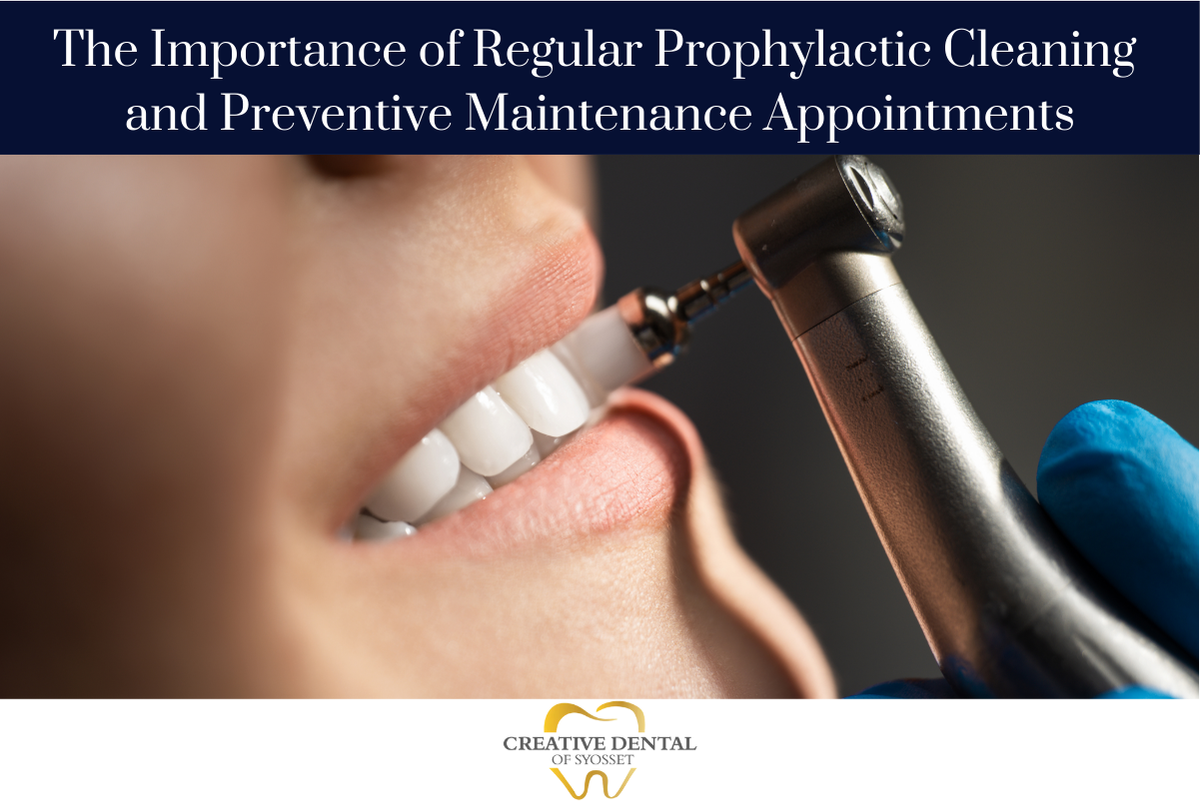
A dental prophy (short for prophylaxis) is the routine preventive teeth cleaning a hygienist performs at your regular checkup. The hygienist scales away plaque and hardened tartar above the gumline, then polishes the enamel smooth. An "adult prophy" is that same cleaning billed for teens and adults under ADA code D1110, done for patients with healthy gums. It is different from a "child prophy" (code D1120) and from a deep cleaning, which treats gum disease below the gumline.
The Word "Prophy" Means Prophylaxis, a Preventive Cleaning
"Prophylactic" comes from the Greek word for guarding against something, so in medicine it describes any measure that prevents disease. In dentistry the word narrows to one specific thing. A dental prophylaxis, shortened to "prophy," is the standard preventive cleaning performed at every routine six-month recall visit. If you have seen "prophy" on a treatment plan or an insurance statement, that is the cleaning it refers to, not a special or advanced procedure.
What "Adult Prophy" Means, and How It Differs From a Child Prophy
"Adult prophy" is the everyday name for the prophylaxis cleaning coded D1110, which the American Dental Association applies to patients with transitional or permanent teeth, generally age 13 and older. The procedure removes plaque, calculus (hardened tartar), and stains from tooth surfaces where the gums are healthy or have only mild inflammation.
A "child prophy" is the same cleaning coded D1120 for younger patients with primary or mixed teeth. The clinical steps are similar. The differences are mostly chair time and instrument size, since smaller mouths need pediatric-sized instruments. The code distinction matters at the front desk because insurance plans track adult and child prophys separately.
Prophy vs Deep Cleaning: Above the Gumline vs Below It
A prophy and a deep cleaning are not the same procedure, and mixing them up is one of the most common sources of billing confusion. A prophy is a preventive cleaning for a healthy mouth, working mainly above the gumline where periodontal pockets measure 3 millimeters or less. A deep cleaning, formally called scaling and root planing, treats active gum disease by cleaning below the gumline where pockets have deepened to 4 millimeters or more. The American Dental Association assigns each procedure its own billing code and its own purpose.
| Procedure | ADA code | Who it is for | Where it cleans |
|---|---|---|---|
| Adult prophy | D1110 | Healthy gums, pockets 3 mm or less | Above the gumline |
| Child prophy | D1120 | Younger patients, primary or mixed teeth | Above the gumline |
| Deep cleaning (scaling and root planing) | D4341, D4342 | Active gum disease, pockets 4 mm or more | Below the gumline |
| Periodontal maintenance | D4910 | After treated gum disease, ongoing | Above and below the gumline |
One point that surprises many patients: once you have been treated for periodontal disease with scaling and root planing, you usually move to periodontal maintenance (D4910) going forward rather than returning to a standard prophy. That maintenance is often billed from a separate part of your dental benefit, which is where most Explanation of Benefits questions come from.
How Often You Need a Prophy: Every Six Months for Most Adults
The American Dental Association recommends most adults get a prophylaxis cleaning and exam every six months. Some patients do better on a tighter interval of every three to four months when specific risk factors are present:
- Diabetes or heart disease, where gum inflammation can worsen the underlying condition
- Smoking or other tobacco use, which raises the risk of gum disease and oral cancer
- Active orthodontic treatment such as braces or Invisalign, where appliances trap plaque
- A history of periodontal disease already on a maintenance schedule
- Pregnancy, where hormonal changes raise the risk of gum inflammation and decay
- A weakened immune system, including chemotherapy or post-transplant medication
- Frequent cavities or dry mouth (xerostomia) from medication
At Creative Dental of Syosset, Dr. Timur Mozner reviews each patient's medical and dental history and sets a personalized recall interval. Because this is a boutique single-doctor practice, the same dentist performs your exam at every visit and can catch trends early, such as probing depths creeping up or a new pattern of decay.
What Happens During an Adult Prophy Appointment, Step by Step
A routine prophy visit runs about 45 to 60 minutes for most adults. Here is the typical sequence:
- Health history review. Your hygienist confirms new medications, recent illnesses, or pregnancy, since some prescriptions affect bleeding, dry mouth, or your ideal recall interval.
- Periodontal probing. A small ruled probe measures the pocket depth around each tooth. Healthy pockets are 1 to 3 mm. Anything 4 mm or deeper gets flagged. This is the step that sorts prophy candidates from deep-cleaning candidates.
- Scaling. An ultrasonic scaler uses high-frequency vibration and water to break up plaque and tartar, and hand instruments finish the surfaces a scaler cannot reach. This is the part most people think of as "the cleaning."
- Polishing. A rotary cup with mildly abrasive paste lifts surface stains and leaves the enamel smooth, which resists new plaque better than a rough surface.
- Flossing and rinsing. The hygienist flosses each contact and rinses with water and, depending on your risk, a fluoride or antimicrobial rinse.
- Fluoride varnish when indicated for patients at higher decay risk.
- Exam by the dentist. A comprehensive oral exam covers soft tissue (including an oral cancer screening), bite, existing restorations, and decay, with X-rays taken only as ADA and FDA selection criteria call for them.
- Home-care guidance. Personalized pointers on brushing, flossing, interdental brushes, and any product changes worth making.
For anxious patients, the office offers noise-cancelling headphones and a gentle technique, taking time to explain each step so a routine cleaning stays comfortable.
What an Adult Prophy Costs on Long Island
Prices vary by practice, so treat these as regional ranges rather than a quote. Out-of-pocket cost for an adult prophy without insurance in the Long Island and greater New York area generally runs from about $75 to $200, depending on the office and whether X-rays and a full exam are bundled. A complete preventive visit that adds the exam, bitewing X-rays, and fluoride typically lands between roughly $150 and $350 when paid in cash. Your actual cost depends on what the visit includes and your insurance, so ask for a written estimate before you schedule.
Does Insurance Cover Prophy Cleanings? Two Per Year at 100% on Most PPOs
Most PPO dental plans cover two adult prophys (D1110) per calendar year at 100 percent under the preventive benefit, and some cap coverage nearer 80 percent. Almost all plans, including many pediatric benefits, cover two child prophys (D1120) per year. The wrinkle to watch is periodontal maintenance (D4910), which often draws from a separate periodontal benefit pool with its own visit limits, which is why it can appear differently on your statement.
Creative Dental of Syosset accepts most PPO dental plans and offers CareCredit financing for patients without dental insurance. The front desk verifies your specific benefits before treatment so you know your cost up front.
Adult Prophy vs Pediatric Prophy: What Changes for Kids
The American Academy of Pediatric Dentistry recommends a child's first dental visit by age 1 or within six months of the first tooth. From there, most children move onto a six-month cleaning schedule much like adults, billed under D1120 instead of D1110. The main differences are shorter chair time and pediatric-sized instruments. The same oral exam, fluoride varnish when appropriate, and home-care coaching are part of the visit.
Creative Dental of Syosset welcomes patients ages 4 and up. Our hygienist Janine has many years of experience with younger patients, and parents are welcome in the room throughout the visit. The practice is a family general office rather than a pediatric-specialist destination.
Before and After Your Prophy: Simple Prep and Recovery
A prophy needs almost no preparation, but a few steps help:
- Eat normally beforehand. No fasting is required.
- Bring a current medication list, especially blood thinners, osteoporosis drugs (bisphosphonates), and anything new since your last visit.
- Brush and floss as usual so the hygienist can check your technique.
- Afterward, mild gum tenderness for a few hours is normal, particularly if it has been more than a year since your last cleaning. A warm salt-water rinse helps, and any cold sensitivity usually settles within 24 to 48 hours.
- If fluoride varnish was applied, skip hot, hard, or sticky foods and hold off on brushing for four to six hours.
- Resume your normal home care the same day.
Why a Routine Prophy Protects More Than Your Teeth
Oral health and overall health are connected. The Centers for Disease Control and Prevention notes links between chronic gum disease and several whole-body conditions, including cardiovascular disease, diabetes that is harder to control, and complications in pregnancy. A regular prophy is one of the simplest ways to keep gum inflammation in check.
The six-month visit also gives the dentist a routine look at the soft tissues for early signs of oral cancer. Five-year survival is far higher when oral cancer is found at a localized stage than after it has spread, according to National Cancer Institute SEER data, which makes the exam that comes with every prophy one of the higher-value screenings in preventive care.
Frequently Asked Questions About Dental Prophy Cleanings
What is a dental prophy?
A dental prophy, short for prophylaxis, is the routine preventive cleaning a dental hygienist performs on patients with healthy gums. The hygienist removes plaque, tartar, and surface stains above the gumline and polishes the enamel. The American Dental Association codes it D1110 for adults and D1120 for children.
What does "adult prophy" mean?
"Adult prophy" is the common name for the prophylaxis cleaning coded D1110, used for patients with permanent teeth who have healthy gums or only mild gingivitis. It is the standard cleaning done at a routine six-month checkup, as opposed to a child prophy (D1120) or a deep cleaning for gum disease.
Why is it called "prophylactic"?
The word comes from the Greek for guarding against something. In medicine it means any preventive measure. In dentistry it points to the routine preventive cleaning at each recall visit, often shortened to "prophy" or written formally as "dental prophylaxis."
Prophy vs deep cleaning, what is the difference?
A prophy is a preventive cleaning above the gumline for a healthy mouth with pockets of 3 mm or less. A deep cleaning, formally scaling and root planing (codes D4341 and D4342), works below the gumline to treat active gum disease with pockets of 4 mm or more. They are separate procedures with different codes and goals.
How often should I get a prophy cleaning?
Most adults should have a prophy every six months, per the American Dental Association. Higher-risk patients, including smokers, people with diabetes, pregnant patients, and those with a history of gum disease, often benefit from a three to four month interval. Dr. Mozner personalizes the schedule to each patient's risk.
Is a prophy cleaning painful?
No. A standard prophy is not painful. Mild gum tenderness or cold sensitivity for a day or two can happen, especially after a long gap between visits or with heavy tartar buildup, which is one more reason to keep to a regular schedule.
How much does an adult prophy cost on Long Island?
Out-of-pocket cost for an adult prophy in the Long Island and greater New York area generally runs about $75 to $200, depending on the office and whether X-rays and an exam are included. A full preventive visit typically falls between roughly $150 and $350 without insurance. Most PPO plans cover two adult prophys per year at 100 percent.
Does insurance cover prophy cleanings?
Most PPO plans cover two prophy cleanings per calendar year at 100 percent under the preventive benefit. The most common point of confusion is periodontal maintenance (D4910), which patients move to after a deep cleaning and which often draws from a separate periodontal benefit pool with different limits.
Do I still need a prophy if I brush and floss every day?
Yes. Even with excellent home care, plaque hardens into tartar within a few days, and only professional instruments can remove tartar. The prophy visit also includes an exam, periodontal probing, and an oral cancer screening, none of which are part of a home routine.
Schedule Your Prophy at Creative Dental of Syosset
Creative Dental of Syosset is a boutique family and cosmetic practice serving Syosset, Oyster Bay, Plainview, and the surrounding Nassau County towns, where Dr. Timur Mozner personally performs your exam at every recall visit. To book your next prophy cleaning, call (516) 921-3290 or schedule online.
Creative Dental of Syosset, 34 S Oyster Bay Rd, Syosset, NY 11791. Phone: (516) 921-3290.
Related reading: dental cleanings and exams, topical fluoride varnish, and dental sealants.
Disclaimer: This information is provided for educational purposes and is not a substitute for professional medical advice, diagnosis, or treatment. Please schedule a consultation with our team to discuss your individual needs.
Sources
American Dental Association, MouthHealthy, Scaling and Root Planing for Gum Disease.
Centers for Disease Control and Prevention, About Oral Health.
National Cancer Institute, SEER Cancer Stat Facts: Oral Cavity and Pharynx Cancer.